Do Air Purifier Filters Really Kill Germs & Viruses? Science Explains

Indoor air quality has become a major concern in recent years. Many people now ask an important question: Do air purifiers really kill germs and viruses? With growing awareness about airborne illnesses, homeowners, schools, and businesses are looking for reliable Clean Air Solutions that can help create healthier indoor spaces.
The answer is not as simple as "yes" or "no." Some air purification technologies can capture, reduce, or deactivate certain airborne contaminants, while others are designed mainly to remove particles from the air. Understanding how Air Purifier Filters work can help you choose the right system for your home or workplace.
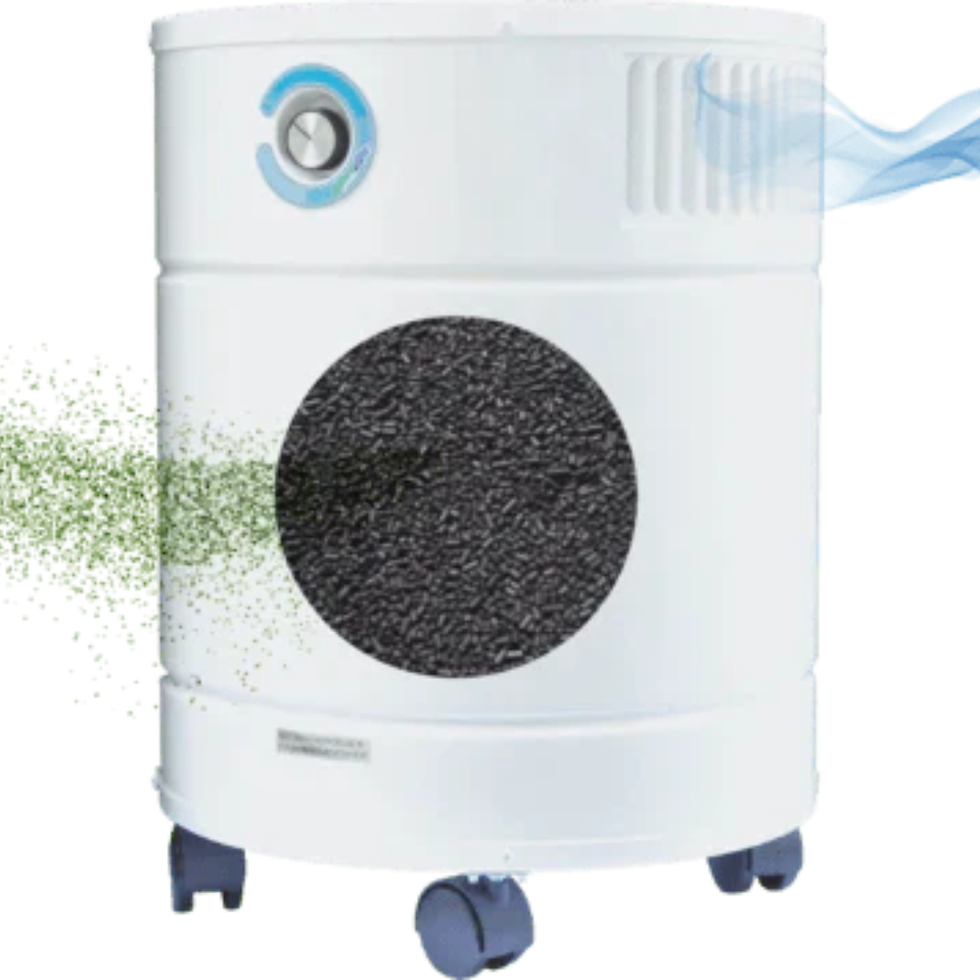
How Do Air Purifier Filters Work?
At their core, Air Purifier Filters are designed to remove unwanted particles from indoor air. As air moves through the unit, filters trap pollutants such as:
Dust
Pollen
Pet dander
Mold spores
Smoke particles
Bacteria and some virus-carrying particles
Different filters target different contaminants. The most common technologies include HEPA filters, activated carbon filters, and UV-based systems.
Many people searching online ask, "Do air purifiers help with viruses?" The answer depends largely on the type of filtration technology being used.
Can HEPA Air Purifier Filters Capture Viruses?
HEPA (High-Efficiency Particulate Air) filters are among the most widely used filtration technologies.
A true HEPA filter can capture at least 99.97% of particles as small as 0.3 microns. While some viruses are smaller than this size, viruses often travel through the air attached to larger droplets or aerosol particles. These larger particles can be captured by high-quality HEPA filtration systems.
This is why searches such as "best air purifier for viruses" and "HEPA filter for germs" have become increasingly popular.
However, it is important to understand that HEPA filters primarily trap contaminants rather than destroy them.
Do Air Purifiers Kill Germs?
Some advanced air purification systems include technologies designed to reduce or deactivate microorganisms.
UV-C Technology
Ultraviolet-C (UV-C) light may help damage the genetic material of certain microorganisms, reducing their ability to reproduce.
Activated Carbon Filtration
Activated carbon does not kill germs. Instead, it adsorbs odors, chemicals, gases, and volatile organic compounds (VOCs). This technology is often included in comprehensive Clean Air Solutions because many indoor air quality concerns involve both particles and airborne chemicals.
Multi-Stage Filtration
Many modern systems combine several technologies to improve indoor air quality. A multi-stage system may include:
Pre-filter for larger particles.
HEPA filtration for fine particles.
Activated carbon for gases and odors.
Additional technologies designed to address biological contaminants.
Trending Topic: Why Indoor Air Quality Matters More Than Ever
Interest in indoor air quality continues to grow. People are increasingly searching for:
air purifier for mold spores
best air purifier for allergies and asthma
commercial air purifier for office
air purifier for smoke removal
indoor air quality solutions
whole building air purification systems
Recent studies and public health discussions have highlighted how indoor environments can affect comfort, productivity, and overall wellness. As a result, organizations are investing in better ventilation and advanced Commercial Air Purifiers.
Are Commercial Air Purifiers Effective in Large Spaces?
Large buildings often have unique air quality challenges. Offices, schools, healthcare facilities, salons, and industrial settings may contain higher concentrations of airborne particles and odors.
Well-designed Commercial Air Purifiers can help improve indoor air quality by continuously filtering large volumes of air.
Common applications include:
Offices
Cleaner air may support employee comfort and productivity.
Schools
Reducing airborne particles can contribute to a healthier learning environment.
Healthcare Settings
Healthcare facilities often require advanced filtration strategies to support infection-control efforts.
Specialized Workplaces
Industries dealing with chemicals, smoke, or odors often rely on customized Clean Air Solutions to address specific airborne contaminants.
Choosing the Right Air Purifier Filters
When selecting Air Purifier Filters, consider the following factors:
1. Identify Your Main Concern
Ask yourself:
Are you concerned about allergens?
Do you need odor control?
Are chemicals or VOCs present?
Is smoke a problem?
2. Evaluate Room Size
Choose a system designed for the size of the area being treated.
3. Check Filter Replacement Requirements
Regular maintenance is essential. Even the best filtration system performs poorly if filters are not replaced on schedule.
4. Consider Multi-Stage Filtration
A combination of particle filtration and gas-phase filtration often provides broader protection against common indoor pollutants.
Frequently Asked Questions
Do air purifiers kill viruses completely?
Most air purifiers do not completely eliminate all viruses. High-quality filtration systems can capture virus-containing particles, while some technologies may help reduce microorganism activity.
Are HEPA air purifier filters effective against germs?
HEPA filters can capture many airborne particles that may carry germs, including bacteria and virus-containing droplets.
What is the best air purifier for viruses and bacteria?
Systems that combine HEPA filtration with additional air treatment technologies are often recommended for comprehensive indoor air quality management.
How often should air purifier filters be replaced?
Replacement schedules vary by system, usage, and indoor conditions. Always follow manufacturer recommendations.
Are commercial air purifiers worth it?
For many businesses, Commercial Air Purifiers can be an important part of maintaining healthier indoor environments, especially in high-occupancy spaces.
Conclusion
Scientific research shows that Air Purifier Filters can play an important role in improving indoor air quality. While many filters capture airborne particles rather than directly killing germs, advanced multi-stage systems may help reduce a wide range of contaminants.
As awareness of indoor air pollution continues to grow, both homeowners and businesses are seeking reliable Clean Air Solutions and Commercial Air Purifiers to create cleaner, healthier indoor spaces. Understanding how different technologies work is the first step toward making informed decisions about indoor air quality.

Comments