Do Air Purifiers Kill Germs? The 2026 Science Explained
- allerairus
- Aug 19
- 4 min read

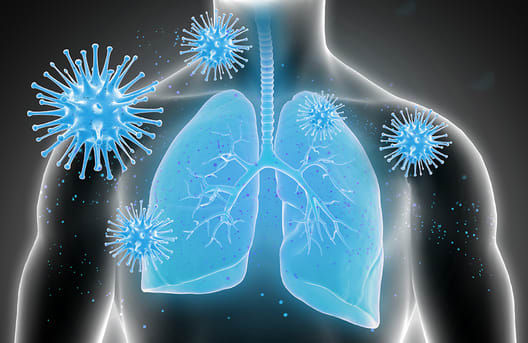
You wipe down doorknobs. You wash your hands. But the air in your room? That's the part most people forget — and it's the part germs travel through most easily. So here's the real question people are typing into Google this year: can a machine sitting in the corner of your room actually kill germs, or does it just move dusty air around?
The honest answer is: it depends entirely on what's inside the machine. Let's break down the real science behind an air purifier to kill germs, without the marketing fluff.

The "Dosing Context" Behind Airborne Germs
Scientists talk about something called dosing context when they study how germs spread. It's not just about whether a virus is in the room — it's about how much of it you breathe in, and for how long. A single cough might release a tiny amount. A crowded, poorly ventilated classroom over six hours is a completely different story.
This is exactly why air purifiers matter more than people think. Every hour a virus or bacteria particle stays suspended in your room's air, it adds to your total dose. Cut that time down, and you cut your risk.
How Small Is a Germ, Really?
Here's something most articles skip: not all air purifiers can even physically catch a virus. The coronavirus, for example, measures about 0.125 microns across — that's smaller than a speck of dust you could ever see.
A standard pleated HEPA filter only traps particles down to 0.3 microns. That's more than double the size of many viruses. This means plenty of "HEPA" purifiers on store shelves simply aren't built to catch the smallest airborne threats.
What Actually Kills Germs vs. What Just Traps Them
This distinction trips up a lot of shoppers, so let's separate it clearly.
Trapping means the particle gets physically caught in a filter and can't circulate anymore. A true Super HEPA filter can trap particles down to 0.125 microns — small enough to catch airborne viruses, not just dust and pollen.
Killing means the germ itself is destroyed. This is where germicidal UV light comes in. A UV-C bulb inside a purifier damages the DNA of viruses, bacteria, and mold spores as air passes by it, so the microorganism can no longer multiply or infect anyone.
The strongest air purifiers for viruses and bacteria combine both steps: Super HEPA to trap the smallest particles, plus germicidal UV to neutralize what gets through.
Why Housing Material Quietly Matters
Something rarely mentioned: what the purifier itself is made of. Plastic housings are hard to disinfect properly and can trap germs on their surface. All-metal housings, by contrast, can be wiped down and disinfected the same way hospital equipment is — which matters if the purifier sits in a shared space like a clinic, classroom, or waiting room.
How Airborne Germs Actually Spread Indoors
Respiratory droplets from a cough or sneeze can travel three to six feet in a typical room. With poor ventilation, those droplets linger in the air far longer than most people assume. In medical settings, procedures that create fine aerosol mist can keep particles floating for extended periods — which is exactly why hospitals and clinics rely on layered filtration instead of a single barrier.
Good hand hygiene and surface cleaning still matter. But none of that touches what's floating in the air you're breathing right now — that's a separate problem, and it needs a separate solution. This is exactly why hospitals, clinics, and schools increasingly rely on a dedicated air purifier for viruses and bacteria rather than general-purpose models built mainly for dust and pollen.
What to Check Before Buying
Filter rating. Look specifically for "Super HEPA" rated to 0.125 microns, not just "HEPA," which typically stops at 0.3 microns.
Germicidal UV-C. Confirm the unit includes a UV bulb designed to neutralize viruses and bacteria, not just filter them.
Activated carbon layer. This adds odor and chemical filtration alongside particle and germ control.
Housing material. Metal housings can be disinfected; many plastic ones cannot.
Room coverage. Match the unit's rated square footage to your actual space so it can fully cycle the air.
Conclusion
An air purifier can genuinely help reduce airborne germs in your home, office, or classroom — but only if it's built for the job. Standard HEPA filters miss the smallest viruses entirely, and filtration alone doesn't kill anything. Look for a unit that pairs a true Super HEPA filter with germicidal UV-C and easy-to-disinfect construction.
Frequently Asked Questions
Can an air purifier actually kill germs, or does it just filter them?
It depends on the technology. Standard filtration traps germs but doesn't destroy them. Germicidal UV-C light is what actually damages a germ's DNA and neutralizes it.
What's the difference between HEPA and Super HEPA?
Traditional HEPA filters trap particles down to 0.3 microns. A Super HEPA filter traps particles down to 0.125 microns — small enough to catch airborne viruses like coronavirus.
Do I need UV-C in addition to a HEPA filter?
For maximum protection against airborne viruses and bacteria, yes. HEPA traps particles; UV-C neutralizes the ones that pass through or accumulate on the filter surface.
How far can airborne germs travel in a room?
Respiratory droplets typically travel three to six feet, but with poor ventilation, fine aerosolized particles can linger and spread further over time.
Are metal or plastic air purifier housings better for hygiene?
Metal housings can be disinfected thoroughly, similar to hospital equipment. Plastic housings are harder to fully sanitize and can hold onto germs on their surface.
Comments